

This post contains affiliate links. This means I will make a commission at no extra cost to you should you click through and make a purchase. Read the full disclosure here.
Designing a home that supports your well-being begins with the materials you bring into your space. Natural elements such as wood, stone, cotton, and clay have a calming effect that synthetic materials often lack. For women navigating the pressures of midlife, these textures offer stability, warmth, and a sense of grounded presence. Creating a healthier home environment does not require a full renovation; it simply involves choosing materials that support emotional balance, soften your space, and help your nervous system relax.
The Power of Natural Elements in Home Design
Before choosing accent pieces or new décor, it helps to understand why natural materials have such a strong influence on how you feel at home. These elements connect your living space with the earth, creating an atmosphere that feels more settled and nurturing.
Choosing Wood for Warmth and Stability
Wood is one of the most comforting materials you can use in your home. Its soft textures and natural grains create a soothing visual rhythm that helps reduce stress. Opt for warm-toned woods such as oak, walnut, or bamboo to bring a sense of grounded calm into your space. Even small touches—like a wooden side table, picture frame, or tray—can shift the emotional tone of a room.
Adding Stone for a Quiet, Centered Feel
Stone adds a steady, rooted presence that can anchor your home’s energy. Pieces made from marble, travertine, granite, or natural clay bring a subtle weight and simplicity that supports clarity and stillness. Consider incorporating stone elements in candle holders, coasters, or vases. Their cool, tactile surfaces offer a gentle reminder to slow down and reconnect with your environment.
Textiles That Support Comfort and Breathability
Natural textiles offer softness and breathability that promote physical and emotional comfort. These materials create a gentler sensory experience, especially in areas where you rest or unwind.
Cotton and Linen for Everyday Comfort
Cotton and linen are ideal for bedding, curtains, and pillows because they regulate temperature and feel effortlessly light on the skin. Their airy texture promotes relaxation and helps create a healthier sleep and living environment. These fabrics soften the overall feel of your space without overwhelming the senses.
Wool for Warmth and Texture
A wool throw or rug adds warmth, depth, and a cozy layer you can feel the moment you step into a room. Wool’s natural ability to regulate heat makes it a great choice for creating comfort during cooler evenings or early mornings. Its texture adds gentle visual interest while maintaining a grounded, natural aesthetic.
Using Clay and Earthen Decor for Harmony
Clay, terracotta, and ceramic décor pieces bring an earthy energy that supports emotional balance. Their warm tones and handcrafted feel create harmony within your space. Even simple clay vases or bowls can become calming focal points. These materials connect your home to nature’s organic forms and rhythms.
Blending Natural Materials Throughout Your Home
You don’t need to overhaul entire rooms to enjoy the benefits of natural materials. Integrate them gradually and intentionally to enhance the overall well-being of your environment.
Mixing Textures for a Layered Look
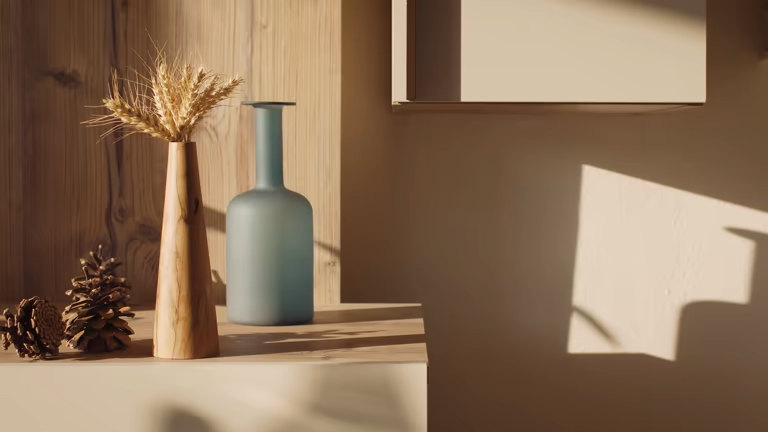
Combine wood, stone, and natural textiles to create a balanced mix of textures. A wooden table paired with a ceramic vase, a cotton runner, and a woven basket introduces variety while maintaining calm. Layering these materials creates a sensory richness that feels warm yet uncluttered.
Using Natural Materials in High-Touch Areas
Placing natural elements in spaces you interact with daily—such as your bedside table, desk, or living room—helps reinforce feelings of calm throughout your routine. These small changes have a big impact on how supported and grounded you feel at home.
Choosing Fewer but Higher-Quality Pieces
When working with natural materials, less is often more. Choose a few meaningful pieces rather than filling your space with decor that distracts or clutters. High-quality natural items last longer, age beautifully, and support a healthier home environment.
Creating Zones That Encourage Presence
Designating small areas of your home for intentional moments can strengthen your connection to natural materials.
A Grounding Corner for Reflection
Create a quiet corner with a wooden stool, a soft linen cushion, or a simple clay pot with a plant. This area can become your space for breathing exercises, gentle journaling, or tea rituals that help you slow down and reconnect with yourself.
A Nature-Inspired Entryway
Your entryway sets the tone for the rest of your home. Adding a woven basket, a wooden tray for keys, or a stone dish for small items makes the space feel calm and organized the moment you walk inside.
Maintaining a Healthy, Natural Home Environment
Once you introduce natural materials, the way you care for them contributes to the wellness of your space.
Keep surfaces clear to let textures shine. Dust wooden or stone items gently to preserve their warmth and character. Choose natural cleaning products that maintain the integrity of your materials and reduce chemical exposure. These simple habits help your home remain a balanced and nurturing environment.
Final Thoughts
Creating a home filled with natural materials is a mindful way to support your emotional and physical well-being. Through wood, stone, breathable textiles, and earthy decor, your home becomes a space that calms your nervous system, strengthens your routines, and grounds your everyday life. These elements help transform your environment into a sanctuary that restores you, nourishes you, and supports a healthier sense of presence through every season of your journey.
