

This post contains affiliate links. This means I will make a commission at no extra cost to you should you click through and make a purchase. Read the full disclosure here.
The colors in your home influence your mood more than you may realize. Whether you want a bedroom that helps you unwind, a living room that supports calm evenings, or a kitchen that feels warm and balanced, color psychology offers a simple and effective way to transform your space without major renovations. For women in their forties who often juggle multiple roles, creating a relaxing home environment can act as an anchor for emotional and physical well-being. This guide explains how color affects your senses, how to choose tones that soothe rather than stimulate, and how to incorporate them naturally into your existing decor.
Understanding How Color Shapes Your Mood
Color psychology studies the way colors influence how we feel, think, and respond to our environment. Certain shades can energize or stimulate, while others promote clarity or calm. When designing a relaxing home, the goal is to choose tones that support softness, warmth, and restoration. Color isn’t just an aesthetic decision; it’s a tool that shapes your emotional and physical experience inside your home. By selecting the right palettes, you create a space that encourages relaxation every time you enter it.
Choosing a Relaxing Base Palette
A calming home begins with a foundation of gentle, neutral colors. These colors become the backdrop for your daily life, so they should feel soft, breathable, and steady. The right base palette quiets visual noise while leaving room for personality and warmth.
Soft Whites and Creams for Lightness
Light neutrals help open up your space and make it feel airy rather than heavy. Soft whites, warm creams, and ivory tones create a sense of spaciousness and clarity. These shades work especially well in bedrooms, hallways, and living rooms where you want a peaceful, uncluttered environment.
Warm Grays for Balance
Warm gray tones offer a stable, grounding effect without feeling cold. Unlike cool grays, warm versions create a sense of comfort and subtle elegance. They pair beautifully with natural textures like wood, woven baskets, or linen fabrics, making your home feel calm but not sterile.
Muted Beiges and Taupes for Comfort
Beiges and taupes are excellent for women who want their home to feel cozy without overpowering the senses. These colors support mental ease and help soften the look of furniture and accessories. They work well in spaces where you want both relaxation and a lived-in, inviting mood.
Adding Accent Colors That Promote Calm
Accent colors add personality, depth, and warmth without disrupting the peacefulness of your base palette. When chosen wisely, these colors enhance the emotional atmosphere of your home.
Soft Blues for Clarity and Ease
Blue is one of the most calming colors, especially in its softer forms. Light blue encourages relaxation and helps reduce stress, making it ideal for bedrooms, bathrooms, and quiet corners. It gives your home a gentle, serene undertone that supports mental clarity.
Sage Green for Natural Harmony
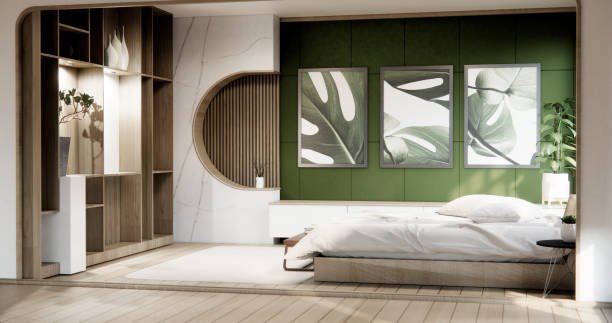
Sage green is associated with nature, renewal, and balance, which makes it a perfect wellness-focused color. It introduces calmness without fading into the background. Adding sage through throw pillows, decorative vases, or wall accents helps bring a sense of grounded energy to your space.
Dusty Lavender for Emotional Softness
If you prefer a feminine touch, dusty lavender adds a subtle elegance while calming the senses. It’s especially helpful in spaces where you want emotional ease, such as reading nooks, bedrooms, or personal wellness areas. Lavender works beautifully with soft neutrals and offers a gentle sense of luxury.
Warm Terracotta for Comfort and Stability
Terracotta tones bring warmth to your home without overstimulating your senses. They work well in living rooms, dining areas, or anywhere you want to add a grounded feel. Terracotta accents, such as planters, artwork, or area rugs, create a soothing sense of earthiness.
Using Color Strategically Throughout Your Home
Choosing the right colors is only the first step; knowing where to place them will determine how effectively they influence the atmosphere.
In the Living Room
Your living room is where you decompress after long days, so prioritize warm neutrals and soft accents. Use calming tones on larger surfaces such as walls and rugs, while adding muted blues or greens through decor. This helps keep the room visually quiet but emotionally uplifting.
In the Bedroom
Bedrooms thrive on tranquility. Stick to light neutrals for walls and bedding, and use gentle accent colors sparingly. Soft blue, lavender, or sage can help your mind transition into rest mode. The key is to keep the palette simple and avoid strong contrasts.
In the Kitchen
For many women in midlife, the kitchen is both a practical and emotional space. Warm neutrals work well here, but you can introduce soothing accent colors through ceramics, linens, or small appliances. This combination keeps the kitchen fresh and calming without losing functionality.
In Home Offices or Quiet Corners
If you work from home or have a small wellness corner, color can significantly impact your focus and peace. Soft greens support concentration, while muted blues offer steadiness and clarity. Choose tones that help your mind stay grounded without becoming overstimulated.
Bringing Color Into Your Home Without Repainting
You don’t need to repaint your walls to change the emotional tone of your home. You can use color strategically through accessories and decor.
Throw blankets, pillows, area rugs, curtains, lamps, candles, planters, and artwork all hold color in ways that shape the mood of a room. A single accent wall, a set of new bedding, or a few decorative pieces can shift the entire emotional experience of your space.
Final Thoughts
Color plays a powerful role in how relaxed you feel inside your home. By choosing gentle neutrals, adding supportive accent colors, and placing them thoughtfully throughout your rooms, you can create an environment that nurtures your well-being every day. Color psychology isn’t about following trends; it’s about designing a home that supports your emotional balance, energy, and peace. The right palette helps your home become a place where you can breathe, reset, and feel grounded through every season of life.
