

This post contains affiliate links. This means I will make a commission at no extra cost to you should you click through and make a purchase. Read the full disclosure here.
Creating a calm and restorative home is not only about colors and decor. The textures and materials you choose influence how grounded, supported, and at ease you feel in your environment. Natural textures bring warmth, balance, and gentle sensory comfort—qualities that become increasingly important during midlife, when emotional steadiness and physical comfort matter more than ever. This guide explores how thoughtful use of texture and organic materials can transform your home into a nurturing space that supports well-being throughout the day.
Why Texture Matters in a Wellness Home
Texture affects how a room feels both visually and physically. Soft, natural materials soothe the senses and create an atmosphere that encourages slowing down. Rough, overly busy textures can create visual clutter, while balanced, gentle textures invite calm. By layering textures intentionally, you build spaces that support emotional ease, sensory grounding, and physical comfort.
Choosing Soft Textures for Daily Comfort
Soft textures help reduce stress and create a sense of refuge. These materials invite relaxation and soften the atmosphere of a room.
Plush Throws and Blankets for Warmth
A soft throw blanket placed on a sofa, chair, or bed adds immediate comfort. Choose materials like cotton, wool, or a high-quality knit that feels gentle on the skin. The presence of a plush blanket subtly signals rest and helps create pockets of comfort throughout your home.
Cushioned Pillows for Gentle Support
Accent pillows in linen, cotton, or velvet add both beauty and comfort. They support the back and neck while offering a warm sensory experience. Soft pillows help bring a room together and make your seating areas more inviting.
Soft Rugs for a Grounding Feel
A rug made from wool, jute, or cotton creates a grounding sensation underfoot. Placing a soft rug in the living room, bedroom, or entryway brings warmth and helps define your space. Rugs also reduce noise, making your environment calmer and more peaceful.
Bringing in Natural Materials for Balance
Natural materials connect your home to the outdoors and help regulate emotional and sensory stress. These elements provide structure without feeling harsh.
Wood for Warmth and Stability
Wood adds a grounding, steady quality to your home. Light oak, walnut, and pine bring natural texture and warmth to furniture, shelving, or picture frames. Even small wooden accents, such as trays or bowls, help soften visual space and create a sense of organic balance.
Stone and Ceramic for Quiet Strength
Stone and ceramic introduce subtle coolness and natural refinement. Stone candleholders, ceramic vases, or marble trays contribute to a peaceful, slow-living aesthetic. These materials are durable, timeless, and naturally calming.
Woven Elements for Soft Structure
Items like rattan baskets, jute bins, or woven trays introduce gentle texture without overwhelming the room. These pieces are practical while also contributing to a warm, grounded environment. Woven accents help maintain organization while reinforcing a natural, wellness-focused look.
How to Layer Textures for a Restorative Feel
Layering textures transforms your home into a more nurturing and comfortable space. The goal is balance rather than excess.
Start With a Soft Base Layer
Begin with foundational textures such as rugs, curtains, and seating upholstery. Choose materials that feel warm and calming, forming a soft backdrop for the rest of your decor.
Add Complementary Middle Layers
Introduce textures like throw blankets, cushions, and woven baskets. These add dimension and depth without creating clutter. Middle layers should support comfort and visual interest.
Finish With Light Accents
Small touches—ceramic bowls, wooden trays, natural fiber placemats, or linen table runners—complete your space. These elements refine your home’s atmosphere and make it feel intentional and cohesive.
Creating Calm in Each Room Through Texture
Textures can help shape the emotional tone of different areas in your home.
The Living Room as a Comfort Zone
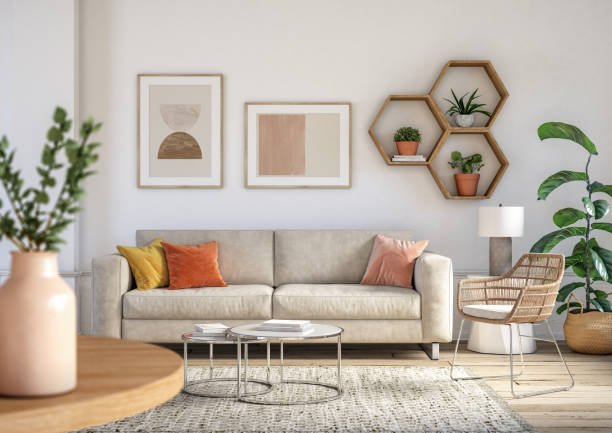
In the living room, combine a soft rug, linen curtains, and a few wooden or woven accents. Add plush pillows and a cozy throw to create a space that invites downtime. These materials support relaxation during evenings and quiet moments.
The Bedroom as a Sensory Retreat
Choose soft bedding in natural fabrics and a cushioned rug beside the bed. A wooden nightstand or ceramic lamp base adds grounding structure. Keep decorative items minimal to maintain a peaceful, restorative energy.
The Entryway as a Gentle Transition Space
A natural fiber rug, a wooden bench, and a small woven basket create a welcoming entryway that feels calm from the moment you walk inside. This area sets the tone for your home’s atmosphere.
Maintaining a Balanced Texture Environment
Texture plays a subtle but powerful role in your mental and emotional state. Maintaining a balanced environment means choosing materials that feel good to touch, see, and live with daily.
Refresh or rotate textiles seasonally to keep your space feeling clean and intentional. Avoid incorporating too many synthetic or rough materials that create visual noise. Prioritize natural fabrics and surfaces that align with your wellness goals.
Final Thoughts
Incorporating texture and natural materials into your home creates an environment that supports calm, comfort, and emotional balance. Through soft textiles, organic elements, and thoughtful layering, you transform each room into a space that nurtures your well-being. Natural textures help your home feel more grounded, restorative, and aligned with the slow, steady rhythms of midlife. With these elements in place, your home becomes a sanctuary that supports both your daily routines and your long-term wellness journey.