How to Use Calming Color Palettes to Create a Restorative Wellness Home

This post contains affiliate links. This means I will make a commission at no extra cost to you should you click through and make a purchase. Read the full disclosure here.
The colors you surround yourself with have a powerful influence on how you feel throughout the day. A calming color palette can soften your environment, ease emotional strain, and help your home become a space that supports your well-being—especially during the transitional and often demanding years of midlife. Designing with soothing colors does not require repainting every wall; it involves choosing tones and combinations that promote balance, clarity, and quiet comfort. This guide will help you create a restorative atmosphere using colors that support your emotional and mental wellness.
Understanding the Impact of Color on Your Mood
Before selecting specific shades, it helps to explore how color psychology influences your daily rhythms. Certain tones naturally calm the nervous system, while others energize or overstimulate. By choosing intentionally, you create a home that gently nurtures your mind and body.
Soft Neutrals for Emotional Grounding
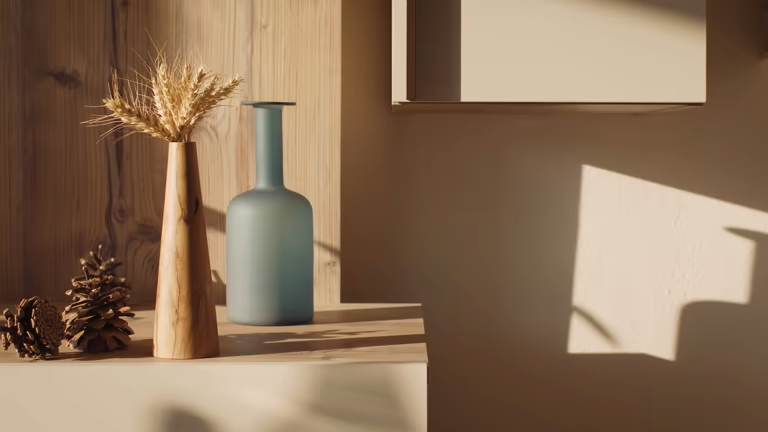
Warm, soft neutrals form the foundation of a restorative home. Colors like warm white, sand beige, mushroom taupe, and muted cream create stability without feeling heavy. These shades calm visual noise and help open up your space. They offer a blank canvas that supports relaxation and encourages emotional grounding throughout the day.
Earthy Greens for Balance and Renewal
Green is one of the most naturally soothing colors because of its connection to nature. Soft, muted greens—like sage, eucalyptus, or dusty olive—help regulate stress and bring a sense of refreshment to a room. Even small touches, such as green throw pillows or artwork with botanical tones, can shift your environment toward calm and renewal.
Blues for Clarity and Serenity
Blue tones support mental clarity and emotional steadiness. Muted blues—like slate, misty blue, or powder blue—soften your space and help quiet busy thoughts. These tones work especially well in bedrooms, bathrooms, or any area where you want to encourage relaxation and deeper breathing. Blue offers a gentle, steady backdrop that helps your home feel peaceful.
Subtle Pinks and Mauves for Warm Comfort
Soft pinks and mauves add warmth and gentle emotional support. These hues evoke tenderness and comfort without overwhelming the space. Think of muted blush, rose clay, or dusty mauve. They work beautifully as accent colors in living rooms and bedrooms, adding softness that supports a nurturing environment.
How to Build a Cohesive Wellness Color Palette
Once you understand the emotional qualities of different tones, you can begin blending them into a cohesive palette that flows smoothly throughout your home.
Choose One Base Neutral
Start with a single neutral tone that feels comforting and calm. This becomes the anchor for the rest of your palette. A warm white or soft beige creates a peaceful foundation that you can build on with accent colors.
Layer Complementary Shades
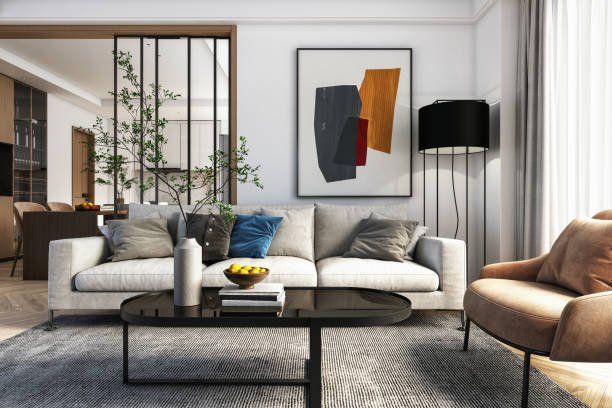
Add one or two secondary colors that enhance wellness and emotional balance. For example, pairing a soft neutral with sage green and dusty blue creates an earthy, serene palette. These colors complement each other without clashing, giving your home a cohesive and tranquil feel.
Use Accent Colors Intentionally
Accent colors add personality and depth but work best when used sparingly. Choose one accent—such as mauve, clay, or muted lavender—and bring it into your space through decor, artwork, throw blankets, or ceramics. This allows your palette to feel warm and alive while still supporting calm.
Bringing Calming Colors Into Each Room
You don’t need to repaint to introduce wellness-supporting colors into your home. Small, thoughtful updates can transform the emotional atmosphere of your space.
Textiles for Soft, Gentle Impact
Throw pillows, blankets, and area rugs offer an easy way to incorporate color while adding comforting texture. Choose textiles in muted tones that complement your palette. Soft green cushions or a dusty blue throw instantly create a more restful environment.
Wall Art That Supports Serenity
Art is one of the simplest ways to further your color story. Select pieces that feature the calming colors of your palette—soft landscapes, abstract neutrals, or botanical prints. Artwork guides the emotional tone of the room and reinforces a sense of balance.
Decor Accents With Purpose
Ceramics, candles, vases, and small functional items can all carry your chosen colors. These pieces tie your rooms together while adding warmth and personality. Choose items that enhance your wellness goals rather than clutter your space.
Lighting That Complements Your Palette
Lighting plays a major role in how colors look and feel within your home.
Use warm, soft lighting to enhance cozy neutrals. Natural daylight highlights greens and blues beautifully. Dimmable bulbs help you adjust the glow of your space to match your mood and routines. Proper lighting allows your palette to truly shine.
Creating Restorative Zones With Color
Calming colors can be used strategically to create small zones throughout your home that feel restorative and intentional.
A Soft Reading Corner
Choose a chair in a muted tone—like sage, cream, or dusty blue—and pair it with complementary throw pillows or art. This corner becomes a soothing retreat for quiet moments of rest.
A Peaceful Entryway
Your entryway shapes your first impression of home. Incorporate a soft runner, a warm neutral wall color, or gentle green decor to create a sense of welcome and calm as soon as you step inside.
Maintaining a Calm Color Environment
Once your palette is in place, maintaining a peaceful color environment is simple.
Keep surfaces clear to let your tones breathe. Avoid incorporating too many bold or contrasting colors that disrupt your sense of calm. Refresh worn textiles or decor pieces with new ones in your chosen hues to maintain harmony.
Final Thoughts
Designing with calming colors allows your home to support your emotional and mental wellness on a daily basis. Through soft neutrals, restful greens, soothing blues, and warm pinks, your space becomes a sanctuary that promotes clarity, softness, and grounding. A thoughtful color palette transforms your home into a restorative environment where you can recharge, breathe deeply, and find balance through every season of life.